Title: Exploring Blockchain Inv
2025-12-12
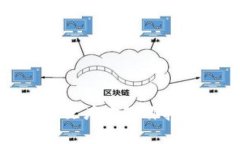
At its core, blockchain is a distributed ledger technology that securely records transactions across many computers, ensuring that the data is immutable and transparent. This unique structure eliminates the need for intermediaries, such as banks or brokers, and allows peer-to-peer transactions to occur. The most notable application of blockchain technology is its role in cryptocurrencies, with Bitcoin being the first and most recognized.
However, the scope of blockchain extends far beyond cryptocurrencies. It encompasses various projects aiming to revolutionize sectors like finance, supply chain management, healthcare, and more. As a result, blockchain investment projects have emerged as a significant avenue for capital deployment, leading to a rapidly growing market attracting both institutional and retail investors.
### Types of Blockchain Investment Projects #### 1. CryptocurrenciesThe most obvious blockchain investment is in cryptocurrencies. Bitcoin, Ethereum, and thousands of altcoins have captured the attention of investors. Each cryptocurrency operates on its blockchain and can have different use cases, governance structures, and technological foundations. For example, Bitcoin is primarily a store of value, while Ethereum supports smart contracts and decentralized applications (dApps).
#### 2. Decentralized Finance (DeFi)DeFi projects aim to recreate traditional financial systems in a decentralized manner. These projects enable lending, borrowing, trading, and earning interest on cryptocurrencies without traditional banks. Investors can participate in yield farming, liquidity mining, and staking, often earning significant returns on their investments. However, the DeFi space is also rife with risks, including smart contract vulnerabilities and market volatility.
#### 3. Non-Fungible Tokens (NFTs)NFTs represent ownership of unique digital assets and are revolutionizing how we think about ownership in the digital world. Projects like OpenSea and Rarible allow investors to trade NFTs, which can be anything from digital art to virtual real estate. The uniqueness and rarity of NFTs can drive their value, but the market is highly speculative and requires careful evaluation.
#### 4. Blockchain InfrastructureInfrastructure projects focus on developing the underlying technology that enables other blockchain applications to function. This includes blockchains themselves (like Polkadot and Cosmos), or tools and services that help developers build on top of existing blockchains (like Chainlink, which provides oracle services). Investing in infrastructure can be a strategic way to tap into the growth of the blockchain ecosystem.
#### 5. Supply Chain and LogisticsBlockchain's transparency and traceability make it an attractive solution for supply chain and logistics. Projects like VeChain and IBM's Food Trust aim to enhance transparency in product sourcing, manufacturing, and distribution. For investors, these projects promise not only financial returns but also potential partnerships and real-world applications that showcase blockchain's value.
#### 6. Health Care SolutionsHealthcare is another sector ripe for blockchain disruption. Projects are being developed that focus on secure patient data storage, sharing medical records, and even drug traceability. For investors, these projects offer the potential to invest in technologies that can enhance patient outcomes and streamline healthcare processes.
### Benefits of Investing in Blockchain Projects #### 1. High ReturnsBlockchain projects, particularly early-stage ventures and cryptocurrencies, can offer exceptionally high returns on investment. Early investors in Bitcoin, for example, have seen astronomical gains.
#### 2. Innovation and DisruptionInvesting in blockchain projects means being part of innovative solutions that can disrupt entire industries. This element of novelty can be appealing to investors looking for growth and expansion opportunities.
#### 3. DiversificationBlockchain investment projects can serve as a means of diversifying an investment portfolio. As traditional markets fluctuate, the blockchain sector can behave differently, providing potential balance against losses.
#### 4. Global AccessBlockchain is inherently international, breaking down barriers associated with geographical location. This allows investors to access projects and currencies worldwide, expanding their investment horizon.
### Risks Associated with Blockchain Investments #### 1. High VolatilityThe cryptocurrency market is known for its volatility, with prices experiencing dramatic swings. This uncertainty can lead to significant gains but also major losses, making it a high-risk investment.
#### 2. Regulatory ChallengesAs governments around the world start to regulate cryptocurrencies and blockchain technologies, changes in regulation can impact the viability of specific projects or exchanges.
#### 3. Scams and FraudThe anonymous nature of blockchain can attract ill-intentioned individuals who create fraudulent projects or scams. Investors need to conduct thorough research before investing.
#### 4. Technological RisksMany blockchain projects are still in developmental stages, which can introduce technological risks. Issues like hacks, bugs in smart contracts, or project failures are prevalent and can jeopardize investments.
### Evaluating Blockchain Investment Projects When considering an investment in blockchain projects, thorough evaluation is crucial. Here are some factors to consider: #### 1. Project FundamentalsUnderstand the project's purpose, the problem it aims to solve, and the technology used. Review the whitepaper, team backgrounds, and community engagement to gauge the project's legitimacy.
#### 2. Market AnalysisAnalyze the market demand for the project. Is there a clear use case? Who are the competitors? What is the target audience? A solid market fit can indicate potential success.
#### 3. Team and AdvisorsThe project team is often a critical factor in its success. Research their experience, past projects, and engagement within the blockchain community to assess their capabilities.
#### 4. TokenomicsUnderstand the project's token distribution, utility, and supply mechanics. A well-structured tokenomics model can create incentives for investors and users, fostering long-term growth.
### Future Trends in Blockchain Investment ProjectsThe blockchain investment landscape is continuously evolving, with various trends expected to shape the future. These include the rise of institutional investment in blockchain, the growing importance of regulatory compliance, and the integration of blockchain with other emerging technologies such as AI and IoT. Investors should stay informed on these trends as they can significantly impact the performance and viability of blockchain projects.
### Common Questions About Blockchain Investment Projects #### Question 1: What are the key factors to consider before investing in a blockchain project?Before diving into a blockchain investment, potential investors should assess several critical factors:
The whitepaper laid the foundation for the project. It should clearly outline the project's goals, technology, use cases, and potential risks. Investors should take the time to read and understand it thoroughly.
The experience and credibility of the team behind the project are paramount. A skilled team with a proven track record can significantly enhance the project's chances of success.
An active and engaged community may indicate a project's health and popularity. Strong community support can lead to better adoption and success rates.

Investors should assess whether a real market need exists. Projects that effectively address genuine problems are more likely to thrive.
A comprehensive understanding of the project's tokenomics is crucial. Investors must evaluate the token distribution model and its implications for market supply and demand.
#### Question 2: How do I protect myself from scams in the blockchain space?Shielding oneself from scams is essential, especially in such a rapidly evolving ecosystem:
Thoroughly investigate any project before investing. Reviews, forums, and whitepapers are good starting points for gauging authenticity.
Pay attention to social media discussions and feedback from community members. A project that faces frequent criticism may be worth avoiding.
If it sounds too good to be true, it probably is. Legitimate projects focus on long-term growth rather than quick returns.
Choosing to trade or invest on reputable exchanges can mitigate the risk of falling victim to scams that occur on unregulated platforms.
Always ensure you’re using official project websites and wallet applications. Double-check URLs and be cautious of unsolicited messages.
#### Question 3: What are the environmental concerns related to blockchain investments?As blockchain, especially Bitcoin, consumes significant energy, environmental concerns have surfaced. Here’s a breakdown:
Proof of Work (PoW) mechanisms require extensive computing power and energy. Bitcoin is the most notable PoW cryptocurrency; hence, its carbon footprint is often scrutinized. In contrast, Proof of Stake (PoS) systems are deemed more eco-friendly.
Critics argue that Bitcoin mining can deplete local energy resources and contribute to carbon emissions. Striking a balance between blockchain innovation and environmental sustainability is crucial.
Some mining operations are transitioning to renewable energy sources, aiming to alleviate environmental impact. Investors might want to consider supporting greener blockchain initiatives.
As awareness around climate change grows, regulatory measures might influence blockchain projects. The sector may need to prioritize sustainability to maintain favor with regulators.
Investing in blockchain projects that prioritize environmental impact alongside profitability can shape a healthier future for the industry.
#### Question 4: What role does regulation play in blockchain investments?Regulatory landscapes are constantly evolving and play a significant role in blockchain investments:
Governments worldwide are developing policies related to cryptocurrencies, ICOs, and other blockchain-related activities. Staying updated helps investors understand the landscape.
Emerging regulations require projects to comply with specific legal frameworks. Non-compliant projects face penalties, thereby affecting investor returns.
Regulation can enhance investor protection, ensuring projects operate transparently and ethically. This may foster confidence among potential investors.
Too stringent regulations can stifle innovation, while clear frameworks can support a thriving ecosystem. Striking this balance is vital for growth.
Regulation varies significantly across regions, which may impact where investors choose to engage. Understanding these differences is crucial for global investments.
#### Question 5: How do you foresee the future of blockchain investments?The future of blockchain investments is promising yet uncertain, marked by several anticipated trends:
Increased interest from institutional investors signifies higher acceptance of blockchain as a legitimate asset class. This trend may lead to more significant capital influx and market stability.
As financial institutions explore blockchain’s potential, we may see increased integration between blockchain-based solutions and traditional financial products.
Innovations such as interoperability, scalability solutions, and Layer 2 protocols are likely to enhance user experience and broaden blockchain adoption.
As regulations mature, more robust frameworks will emerge to protect investors and stimulate growth, leading to greater mainstream acceptance.
Future blockchain projects may increasingly emphasize sustainability, balancing technology’s potential with environmental implications.
### Conclusion Blockchain investment projects encompass a vast landscape of opportunities and challenges. Whether you are an experienced investor or a newcomer, understanding the nuances of various blockchain projects is essential for making informed decisions that align with your investment goals. By staying informed, conducting extensive research, and remaining cautious, you can navigate this innovative yet unpredictable space. The future of blockchain is bright, filled with the promise of transformation across industries, making it an exciting realm for investment. Through the exploration of the types of projects available, the evaluation criteria, anticipated trends, and potential risks and rewards associated with blockchain investment, you are better equipped to engage in this revolutionary market. Remember that knowledge is power in the world of blockchain; the more you learn, the lower your risks and the greater your potential rewards.
2025-12-12
2025-12-12
2025-12-12

2025-12-12

2025-12-12

2025-12-12

2025-12-12

2025-12-12

2025-12-12

2025-12-12